Property Insights · 4 August 2026
What Makes a Development Legitimate in Thailand?
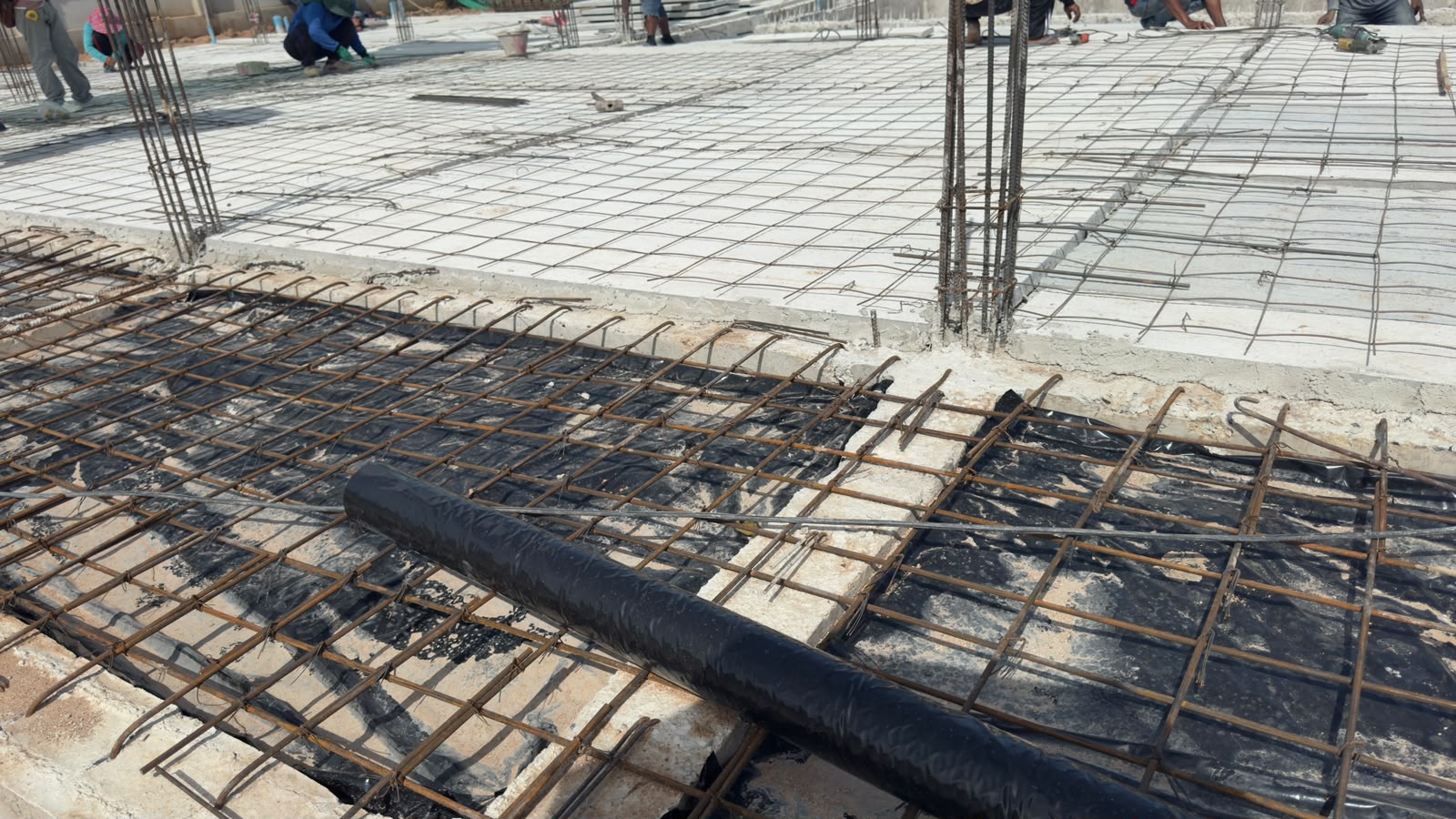
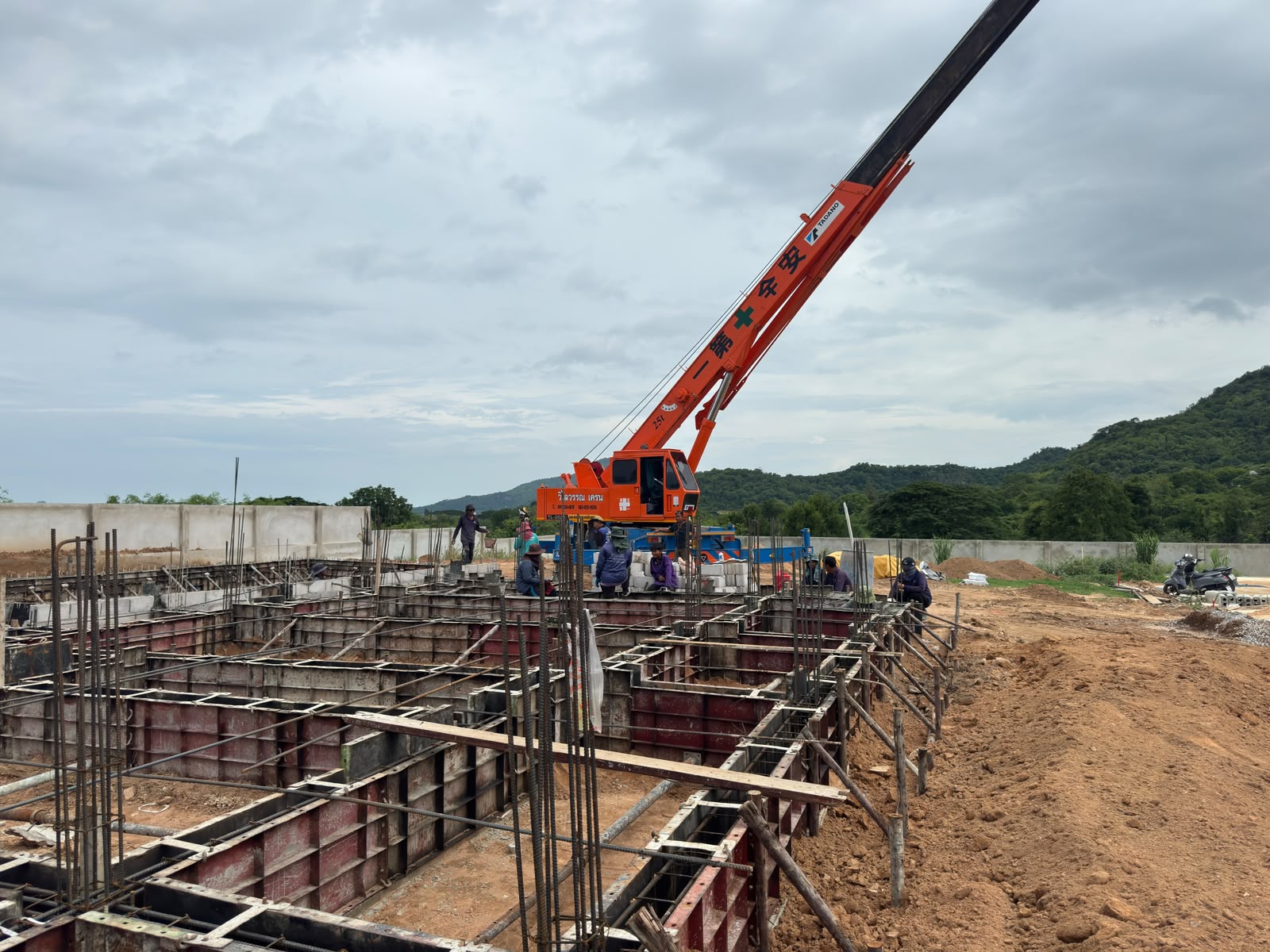
Permissions, approvals and registrations may not be visible, but they are fundamental to a properly established residential development.
Dreamvista Development · Updated 24 September 2026

What Makes a Residential Development Legitimate in Thailand?
This article provides general information about how residential development approval works in Thailand. It is not legal advice. Requirements vary according to factors including the land, project size, location and applicable authority, and regulations can change.
Anyone considering a property purchase should obtain independent advice from a qualified Thai lawyer and verify the current position for the specific development and transaction.
Information reviewed September 2026.
Land title
A residential development starts with the land on which it is built.
Thailand has several categories of land document, and they do not all provide the same rights or the same degree of certainty over boundaries.
Chanote (Nor Sor 4 Jor) is a land title deed providing registered ownership, with formally surveyed boundaries recorded through the Land Department system.
Nor Sor 3 Gor and Nor Sor 3 are certificates of utilization rather than Chanote title deeds. They can support legally recognised rights and transactions, but their surveying and registration characteristics differ from those of Chanote land.
Other categories of land document may carry substantially different rights or restrictions and require careful legal review before development or purchase is considered.
The relevant Land Office records should also be checked for mortgages, leases, servitudes, rights of way and other registered interests or restrictions affecting the land.
A title search is therefore a fundamental part of property due diligence.
Land use and planning
Owning land does not automatically mean that any form of development can be built on it.
The proposed use of the land must comply with the planning rules and other regulations applicable to its location.
Depending on the area, these can influence matters such as permitted use, building height, density, setbacks and the scale or type of development allowed.
Additional requirements can also apply in environmentally sensitive or specially regulated areas.
For a buyer, the important question is not simply whether the developer owns the land, but whether the proposed development is permitted on that land.
Building permission
Buildings must comply with Thailand's building-control framework and the requirements administered by the relevant local authority.
The approval process involves architectural and engineering information appropriate to the proposed construction, with designs prepared and certified as required by qualified professionals.
Applicable requirements can address matters including structural design, setbacks, building dimensions, access, fire safety and other technical considerations.
Buyers considering a property under construction can therefore ask whether the relevant building permission has been obtained for the residence being offered.
Land allocation licensing
A residential project involving the subdivision and sale of land may fall within Thailand's land-allocation legislation.
Where the legislation applies, the development is subject to an approval framework covering matters that extend beyond the individual houses. These can include roads, drainage, utilities, common facilities and the arrangements for managing and maintaining common property.
This is particularly important for buyers because a development is more than a collection of individual plots.
The legal arrangements for the roads, infrastructure and common areas determine how those parts of the community are controlled and maintained after individual properties have been transferred.
Whether a particular development requires land-allocation approval depends on its circumstances and should be verified for that project rather than assumed from its marketing description.
Environmental requirements
Environmental assessment requirements depend on the type, size and location of a project.
Certain developments meeting the applicable thresholds require an Environmental Impact Assessment, while additional controls can apply in designated environmentally protected or sensitive areas.
The relevant question for a buyer is therefore whether an environmental assessment was required for the particular development and, if so, whether the necessary process and approvals have been completed.
A project that does not require an EIA is not necessarily missing an approval; it may simply fall outside the applicable thresholds.
Infrastructure and utilities
A development also needs practical infrastructure capable of supporting the homes being built.
Depending on the project and location, this can include electricity, water supply, drainage, wastewater management, roads and other services.
Connections to the relevant electricity and water authorities need to be planned and coordinated with the development, while private or project-level systems must comply with the requirements applicable to them.
For larger developments in particular, capacity matters as much as physical connection.
Foreign buyers
Foreign ownership of land in Thailand is restricted.
There are limited statutory exceptions subject to specific conditions, but these should not be regarded as the normal route for a foreign residential purchaser.
Depending on the property and circumstances, other legally recognised interests may be relevant, including condominium ownership within the applicable foreign ownership quota, ownership of a building separately from the land, and registered lease arrangements.
Proposed ownership structures should be reviewed by an independent qualified Thai lawyer before contracts are signed or funds committed.
Arrangements intended primarily to circumvent restrictions on foreign land ownership can create significant legal risk.
Completion and handover
Legal and regulatory due diligence does not end when construction finishes.
Depending on the property and development structure, completion can involve final inspections, utility arrangements, title transfer at the Land Office, payment of applicable taxes and fees, handover documentation, warranties and arrangements for the management of common areas.
A buyer should understand these steps before signing the sale and purchase agreement rather than waiting until the transfer date.
Questions worth asking
- What type of title applies to the land?
- Has an independent title search been carried out?
- Are there mortgages, servitudes, leases or other registered encumbrances?
- Is the proposed residential use permitted under the applicable planning controls?
- Has the relevant building permission been obtained?
- Does the development require land-allocation approval and, if so, has it been granted?
- Was an environmental assessment required and, if so, what is its status?
- How are electricity, water, drainage and wastewater being provided?
- Who will own and maintain the roads and common areas?
- How will common-area charges be established and managed?
- Has the proposed ownership structure been reviewed by the buyer's own lawyer?
These matters should be verified for the particular development and transaction rather than treated as a general assurance.
Land title is one part of that review. Our separate guide explains Chanote and other Thai land-title categories.
This article provides general information only and is not legal advice. Requirements depend on the project, location and ownership structure. Buyers should instruct an independent qualified Thai lawyer to verify current Land Office records, approvals, permissions and contract terms before committing funds.
Common questions
- Is this legal advice?
- No. This is general information checked in September 2026. Requirements vary by project and change over time. Take independent advice from a qualified Thai lawyer.
- What is a land allocation licence?
- A licence required where land is subdivided and sold as a housing development beyond defined thresholds. It carries obligations about common infrastructure and its ongoing maintenance.
Sources
- Department of Lands, Ministry of Interior — Land title documents and registration (checked September 2026)
- Department of Public Works and Town & Country Planning — Building Control Act B.E. 2522 (1979) and town planning (checked September 2026)
- Office of Natural Resources and Environmental Policy and Planning (ONEP) — Environmental impact assessment requirements (checked September 2026)
Dreamvista Development
Continue with the title records, boundaries, access and encumbrances a lawyer should review.
Read the land-title guidePrivate Briefings
Private Briefings
Development updates, new projects and selected insights from Dreamvista, sent directly to you.